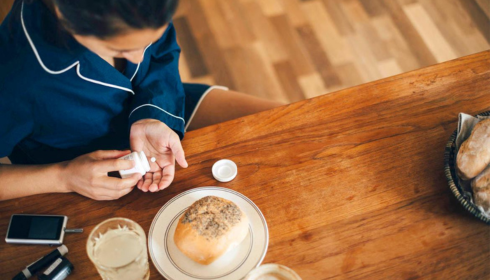
Many blood tests require fasting, but the instructions can be confusing. “Come fasting” does not mean starving yourself severely or avoiding water altogether.
For common fasting tests like blood sugar or lipid profile, you’re usually asked to avoid food and calorie-containing drinks for 8–12 hours. This means no tea with sugar, juice, milk, coffee with cream, or late-night snacks. Plain water is allowed and even encouraged – being slightly hydrated makes it easier to draw blood.
A big mistake is doing intense exercise or heavy partying right before a fasting test. Hard workouts, alcohol, very heavy meals or very little sleep the night before can all affect results. It’s better to have a normal day, then start your fast after dinner, sleep, and go for your test in the morning.
Another common issue is taking usual morning medicines without checking. Some medicines should be taken as normal, others may need to be delayed until after the blood draw. If instructions aren’t clear, ask in advance.
Arriving extremely dehydrated, faint with hunger, or after skipping several meals doesn’t improve your report – it just makes you miserable. Follow the fasting window sensibly, bring a small snack for after the test, and keep a note of any unusual circumstances you can mention to your doctor when discussing results.