We often pick shoes based on colour and brand, but the wrong pair can leave you with sore feet, knees or back. Choosing footwear that matches your activity and foot type makes a big difference to comfort and safety.
For walking, you want flexible shoes with decent cushioning and good heel support. The sole should bend where your toes naturally push off. Too stiff and your feet tire quickly; too flimsy and you feel every pebble.
For running, cushioning and shock absorption matter more, especially if you run on roads. Support around the midfoot and heel helps control excessive rolling in or out. Some people with flat feet or very high arches may benefit from specific stability features or insoles.
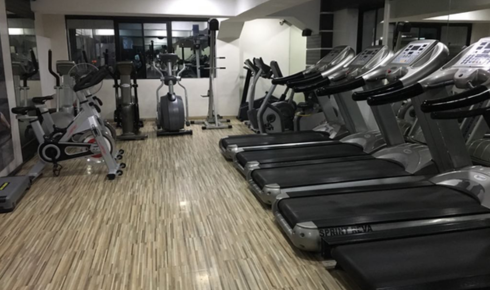
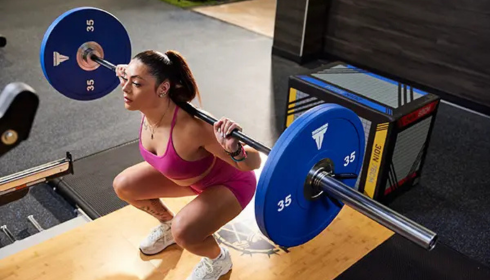
For gym/strength training, overly squishy running shoes can be unstable when lifting weights. Flatter, more stable soles are better here, giving your feet a firm base during squats, deadlifts or lunges. If you do a mix of classes, cardio and weights, a good cross-trainer can be a useful middle option.
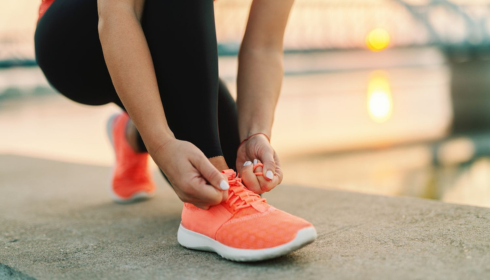
Try shoes at the end of the day when your feet are slightly swollen – this mimics real workout conditions. Wear the type of socks you’ll use for exercise, and walk around the store; you shouldn’t feel rubbing or pinching.
Good shoes are not a luxury. They are small insurance against avoidable pain and injuries, especially if you plan to move regularly.