Home Blog

Reading Pharma M&A: Synergies Versus Strategic Necessity

0

Every pharma acquisition announcement includes a rationale, and most of them describe some combination of synergies, pipeline complementarity, and strategic fit. Distinguishing which of these is actually driving the deal, and which is post-hoc justification, matters for judging whether the acquisition will create value.

Deals driven by genuine strategic necessity, most commonly patent cliffs on a major existing product, tend to follow a recognizable pattern: the acquirer has clearly disclosed revenue at risk from upcoming loss of exclusivity, and the acquired asset addresses that specific gap in the therapeutic area or modality. These deals are easier to evaluate because the need being filled is concrete and quantifiable.

Deals framed primarily around synergies, cost savings from combined operations, shared commercial infrastructure, or R&D efficiencies, require more skepticism, particularly in large biopharma mergers where announced synergy targets have a mixed historical track record of being fully realized within the originally stated timeline.

Pipeline complementarity claims are the hardest to verify at the time of announcement, since they depend on execution across years of subsequent clinical development. The more credible version of this rationale usually comes with specific detail about how the acquired assets fit into existing therapeutic area expertise, rather than broad language about expanding into an adjacent space.

Post-deal tracking is where the real evaluation happens. Comparing the acquirer’s stated rationale at announcement against subsequent quarters of reported revenue contribution, pipeline progress, and any later impairments or write-downs provides a much more honest assessment than the optimistic framing available on announcement day.

News and analysis that follows pharma acquisitions past the announcement, checking the original stated rationale against what later filings and pipeline updates actually show, such as the ongoing coverage from The Pharma Vanguard, gives readers a way to hold a deal’s promised logic accountable over time rather than accepting it at face value.

International Surrogacy: Legal Planning Before Starting Your Journey

0

International Surrogacy can offer a path to parenthood for people who cannot pursue surrogacy in their home country. However, choosing to work across borders involves more than selecting a destination and fertility clinic. Intended parents may have to follow the laws of both the country where the child is born and the country where they live. These laws can differ significantly, especially regarding parentage, citizenship, documentation, and compensation.

Why International Surrogacy Law Matters

One of the biggest challenges in International Surrogacy is understanding International Surrogacy Law before beginning the process. There is currently no single worldwide legal framework that regulates every surrogacy arrangement. Each country can have its own rules about whether surrogacy is permitted, who can participate, and how legal parenthood is established.

This means that an arrangement that is legally recognised in one country may not automatically receive the same recognition in another. For this reason, legal planning should be considered an early part of the journey rather than something handled after the baby is born.

Citizenship and Travel Considerations

International Surrogacy can also involve citizenship and immigration questions. The child may need appropriate travel documents before leaving the birth country, while the intended parents may need to demonstrate their legal relationship with the child.

These requirements can vary according to the nationality of the parents and the laws of both countries. In complex cases, uncertainty over parentage can create difficulties with nationality or immigration status.

Choosing Support Carefully

An International Surrogacy Agency can help coordinate different parts of the journey, but intended parents should understand exactly what support is provided. This may include communication with medical teams, surrogate coordination, documentation assistance, and connections with legal professionals.

However, an agency should not be viewed as a replacement for independent legal advice. International Surrogacy Law can change, and professional guidance should be based on the specific circumstances of the intended parents.

What Should Parents Research First?

Before starting International Surrogacy, families should research the current legal position in both countries involved. Important questions include whether surrogacy is permitted, who can access the process, how parentage is established, and what documents will be required after birth.

The Hague Conference on Private International Law has studied cross-border parentage and surrogacy issues because conflicting national laws can create serious challenges for families and children. As of 2026, there is still no binding global convention specifically resolving these issues.

A More Informed Approach

International Surrogacy requires careful planning, realistic expectations, and attention to legal details. Understanding International Surrogacy Law early can help intended parents make better decisions and reduce avoidable complications. Working with an experienced International Surrogacy Agency alongside qualified legal and medical professionals can provide a more coordinated approach.

For families considering this complex journey, the right support means more than arranging individual services. It means providing thoughtful coordination, clear communication, reliable guidance, and a structured approach throughout the process. With experience across international requirements and a focus on personalised support, the organisation helps intended parents approach their journey with greater clarity, confidence, and care.

How Digital Radiography Improves Speed, Accuracy and Workflow in Care

0

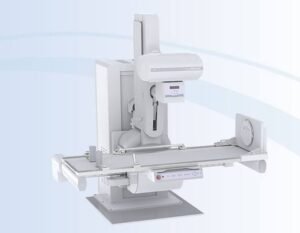
Radiology has become faster and more technology-driven, but the goal remains simple: produce clear images that help healthcare professionals make confident decisions. Understanding how a digital detector and a radiography machine work together can help facilities make better technology choices.

Why Digital Radiography Matters

Traditional imaging processes can involve extra handling, processing time, and repeated steps. Digital radiography changes this by capturing X-ray information electronically and making images available quickly. For a DR radiology department, this can mean smoother examinations and faster access to images.

A modern digital detector can capture X-ray signals and send the information directly to an imaging workstation. This reduces the need for physical film or cassette processing and can make the examination cycle more efficient.

The Role of a Digital Detector

The digital detector is one of the most important parts of a digital imaging setup. It receives X-ray energy after it passes through the patient and converts that information into a digital image.

A good digital detector should balance image quality, usability, durability, and workflow requirements. Compact and lightweight designs can be useful for examinations performed in different rooms or around mobile equipment.

Supporting Existing Infrastructure

Not every facility can replace its imaging setup at once. Retrofit-friendly solutions can provide a path toward digital radiography by allowing X-ray equipment to work with newer detectors. This can improve workflow while making use of investments.

In departments, this can help staff spend less time on image handling and more time on patient-focused tasks.

Choosing the Right Radiography Machine

A radiography machine should not be judged only by technical specifications. A well-integrated radiography machine can support faster positioning, image acquisition, and review. When combined with an appropriate digital detector, it can help radiographers identify positioning issues and reduce unnecessary repeat examinations.

The right system should also match the facility’s examination needs, available space, maintenance capabilities, and expected workload. This practical approach can make technology easier to use every day.

Image Processing and Diagnostic Confidence

Capturing an image is only one part of digital radiography. Image processing also plays an important role in presenting useful clinical information. Advanced processing can help optimize brightness, contrast, and detail across examinations.

For a DR radiology team, consistent processing can support easier image review and help radiologists focus on important details. This is particularly valuable when departments handle different examination types throughout the day.

Conclusion

Modern radiology depends on more than advanced equipment. It requires technology that works reliably across image capture, processing, review, and workflow. A capable digital detector, a suitable radiography machine, and intelligent image processing can work together to improve efficiency while supporting image quality. For every DR radiology department, choosing solutions around practical clinical needs can make digital transformation more valuable.

About the Technology Provider

For healthcare facilities looking to strengthen digital imaging capabilities, an established imaging technology provider offers solutions spanning digital radiography, detectors, mobile systems, workstations, and image processing. Its approach focuses on productivity, image quality, patient care, and workflow efficiency, helping radiology teams make every examination count.

Choosing the Right Walking Support for Safer and Easier Daily Mobility

0

Age, injury, weakness, or recovery can make mobility more challenging. The right support can make everyday movement more stable. Whether someone needs a walker for patient use at home or a walking stick for elders during short outdoor trips, the choice should depend on balance, strength, comfort, and daily needs.

When is a walker a better choice?

A walker is useful when a person needs greater stability while standing or walking. It provides support on both sides and may help when balance is limited. Consider its height, grip, frame strength, weight, and ease of movement. For people who need moderate support, a walking stick can be a practical option. It can improve confidence and is easier to carry than a walker.

Finding the right walking stick

A walking stick for elders should have a firm grip and a stable base. The correct height matters because poor adjustment can affect posture. A walking stick for old people should feel natural during use rather than forcing the user to lean heavily to one side.

For people who travel often or need an aid that stores easily, a foldable walking stick can be useful. It takes less space in a bag and is convenient for travel or storage. It should still offer dependable support when opened and locked properly.

Extra features that improve convenience

Modern mobility aids can offer useful features beyond basic support. A walking stick with LED light can improve visibility in darker corridors, stair areas, parking spaces, or outdoor paths. A walking stick with LED light can improve visibility, especially during evening walks or unexpected power cuts.

Consider where the aid will be used. Someone recovering at home may prefer a walker, while a person who is generally independent may find a walking stick for elders more suitable. In some cases, a walking stick for old people with an easy-grip handle can make daily use more comfortable.

Safety tips for everyday use

Before using any mobility aid, check that its height is correctly adjusted and that rubber tips or other contact points are in good condition. A foldable walking stick should be fully opened and securely locked before walking. Also check its battery and stability regularly.

If a person has significant balance problems, recent surgery, or difficulty putting weight on a leg, professional guidance can help determine whether a walker for patient support or another mobility aid is appropriate.

A practical approach to better mobility

Good mobility support should combine stability, comfort, thoughtful design, and everyday convenience. From a walker for patient use to a foldable walking stick, the right choice can make routine movement easier and more confident. A walking stick for elders, a walking stick for old people, or a walking stick with LED light may suit different situations, depending on the level of support and features required.

For those looking for a dependable healthcare and wellness solutions provider, this range is designed around practical needs, comfortable handling, stability, and everyday usability. Thoughtful construction and useful features can make mobility support more convenient and reassuring for users and families.

HGH for Height in Kids: Can Growth Hormone Therapy Help Your Child Reach Their Full Height Potential?

0

Every parent hopes to see their child grow into a healthy, confident adult. While height is largely determined by genetics, it is not the only factor that influences how tall a child will become. Hormone deficiencies, chronic medical conditions, nutritional problems, and genetic disorders can all interfere with normal growth.

For children diagnosed with certain medical conditions, human growth hormone (HGH) therapy may help restore a healthier growth pattern and improve adult height potential. But how does HGH work, who qualifies for treatment, and what should parents know before considering therapy?Height Is More Than Just Genetics

Many people believe height is determined entirely by family genetics. Although genetics account for much of a child’s adult height, hormones, nutrition, sleep, overall health, and puberty all play important roles.

A child who inherits the potential to be 5’10” may never reach that height if an untreated medical condition affects their growth during childhood.

That’s why healthcare providers look beyond family height when evaluating children who are significantly shorter than expected.What Is Human Growth Hormone?

Human growth hormone is a naturally occurring hormone released by the pituitary gland. Throughout childhood, it helps regulate growth by stimulating bone lengthening and encouraging the production of insulin-like growth factor-1 (IGF-1), which promotes growth throughout the body.

When the body produces too little growth hormone—or when another medical condition disrupts this process—growth may slow considerably.

Prescription HGH contains a synthetic version of the same hormone naturally produced by the body and is used to treat children with medically diagnosed growth disorders.When Can HGH Help a Child Grow Taller?

Growth hormone therapy is not intended for children who are simply shorter than their friends.

Instead, it is prescribed when medical testing shows that poor growth is linked to an underlying condition.

Examples include:

  • Growth hormone deficiency
  • Idiopathic short stature
  • Turner syndrome
  • SHOX deficiency
  • Prader-Willi syndrome
  • Children born small for gestational age who have not achieved catch-up growth
  • Chronic kidney disease affecting growth
  • Other approved pediatric conditions

Each child must undergo a comprehensive evaluation before treatment is considered.Recognizing the Signs of Poor Growth

Children grow at different rates, but some patterns deserve closer attention.

Parents should consider a growth evaluation if their child:

  • Has stopped growing as expected
  • Continues falling to lower height percentiles
  • Grows significantly slower than classmates
  • Shows delayed puberty
  • Has a delayed bone age
  • Has concerns raised by their pediatrician regarding growth velocity

Many growth disorders are easier to treat when identified early.The Importance of Early Evaluation

One of the greatest advantages of early diagnosis is time.

Growth hormone therapy works while the growth plates remain open. Once those growth plates fuse near the end of puberty, increasing height is no longer possible.

Seeking evaluation sooner rather than later gives physicians more opportunity to identify treatable conditions while meaningful growth potential remains.What Does the Evaluation Include?

Before recommending HGH, physicians typically complete a detailed assessment that may include:

  • Growth chart analysis
  • Medical history
  • Family height history
  • Physical examination
  • Bone age X-ray
  • Blood tests
  • Hormone testing
  • Additional diagnostic studies if necessary

This process helps determine whether slow growth represents a medical condition or simply a normal variation in development.What Is Treatment Like?

If HGH therapy is recommended, children usually receive a small injection beneath the skin once each day.

Treatment is carefully monitored through regular follow-up appointments that assess:

  • Growth velocity
  • Height progression
  • Weight
  • IGF-1 levels
  • Bone age
  • Puberty
  • Overall health

Medication doses are adjusted over time as children grow and their needs change.What Results Are Possible?

Every child responds differently to growth hormone therapy.

Results depend on several factors, including:

  • The child’s diagnosis
  • Age when treatment begins
  • Remaining growth potential
  • Genetics
  • Consistency with treatment
  • Individual biological response

Many children experience their fastest rate of growth during the first year, with continued improvement over the following years.

The objective is to help children achieve the adult height their body was naturally capable of reaching.Is HGH the Right Choice?

Growth hormone therapy can offer meaningful benefits for appropriately selected children, but it also requires a long-term commitment from both parents and patients.

Families should understand:

  • Daily injections are typically required.
  • Regular monitoring is essential.
  • Treatment often lasts several years.
  • Costs can vary significantly.
  • Benefits differ from one child to another.

Understanding these factors helps families make informed decisions together with their healthcare provider.

Parents interested in learning about the advantages and potential drawbacks of pediatric height treatment can read:

Pediatric Height Therapy: Pros and Cons – What Parents Should Know Before Considering Treatment

https://hghforchildren.com/blog/pediatric-height-therapy-pros-and-cons-what-parents-should-know-before-considering-treatmentPlanning for the Financial Commitment

Growth hormone therapy represents an investment that extends well beyond the first prescription.

Annual expenses depend on:

  • Medication dosage
  • Child’s weight
  • Insurance coverage
  • Treatment duration
  • Monitoring requirements

Families considering HGH should understand both yearly expenses and the long-term financial commitment involved.

For a detailed breakdown of treatment costs, visit:

Long-Term Cost of Growth Hormone Treatments in Kids

https://hghforchildren.com/blog/long-term-cost-of-growth-hormone-treatments-in-kidsLearn More About HGH for Children

Choosing whether to pursue growth hormone therapy begins with understanding the facts.

Parents looking for a comprehensive overview of pediatric HGH treatment—including causes of poor growth, evaluation, treatment expectations, and common questions—can visit:

HGH for Children to Grow Taller

https://hghforchildren.com/hgh-for-children-to-grow-taller

This resource provides additional information to help families better understand the pediatric growth evaluation process.Final Thoughts

Growth hormone therapy has helped thousands of children with medically diagnosed growth disorders improve their growth and reach a height closer to their natural genetic potential. While HGH is not appropriate for every child with short stature, it can be an effective treatment when supported by a thorough medical evaluation and ongoing supervision.

If your child is growing more slowly than expected or has concerns about their height development, speaking with a pediatric growth specialist is the best way to determine whether an underlying condition may be affecting growth. Early evaluation can make a meaningful difference in identifying treatment options while a child still has valuable years of growth remaining.

HGH for Height in Kids: A Parent’s Guide to Growth Hormone Therapy

0

One of the most common concerns parents have is whether their child is growing at a healthy rate. While children come in all shapes and sizes, consistently slow growth or unusually short stature can sometimes indicate an underlying medical condition rather than normal variation.

When this occurs, human growth hormone (HGH) therapy may become part of the conversation. For children with specific growth disorders, HGH has helped improve growth rates and support healthier physical development. However, it is important to understand that growth hormone therapy is a medical treatment—not a cosmetic height enhancer—and it is only appropriate for children who meet certain clinical criteria.Understanding HGH and Childhood Growth

Growth hormone is produced naturally by the pituitary gland and serves as one of the body’s primary regulators of childhood growth. It stimulates the liver to produce insulin-like growth factor-1 (IGF-1), which helps bones, muscles, and other tissues grow throughout childhood and adolescence.

If this process is disrupted by a hormone deficiency or another medical condition, a child’s height may begin to fall behind expected growth patterns.

Prescription HGH replaces or supplements the body’s natural hormone, helping restore a healthier growth rate when medically appropriate.Why Some Children Don’t Grow Normally

There are many reasons why a child may be shorter than expected. Some are completely normal, while others require medical attention.

Common causes include:

  • Family genetics
  • Constitutional growth delay (late bloomers)
  • Growth hormone deficiency
  • Idiopathic short stature
  • Poor nutrition
  • Chronic illnesses
  • Thyroid disorders
  • Genetic syndromes
  • Children born small for gestational age who fail to catch up

Because the causes are so varied, short stature should never automatically lead to growth hormone treatment without a thorough evaluation.Who Is a Candidate for HGH Therapy?

Growth hormone therapy is generally reserved for children who have a diagnosed condition known to affect growth.

Examples include:

  • Growth hormone deficiency
  • Turner syndrome
  • Prader-Willi syndrome
  • SHOX deficiency
  • Noonan syndrome
  • Chronic kidney disease
  • Children born small for gestational age without catch-up growth
  • Certain children with idiopathic short stature

Each child’s situation is unique, and treatment decisions should always be individualized.Signs That May Indicate a Growth Disorder

Parents often notice subtle changes before growth problems become obvious.

Some warning signs include:

  • Falling lower on the height percentile over time
  • Growing less than expected each year
  • Being significantly shorter than classmates
  • Delayed puberty
  • Delayed bone age
  • Minimal changes in clothing or shoe size over long periods

These signs do not necessarily mean a child needs HGH, but they do suggest that further evaluation may be appropriate.How Doctors Determine Whether HGH Is Needed

A pediatric growth evaluation typically involves much more than measuring height.

Healthcare providers may perform:

  • A detailed medical history
  • Physical examination
  • Growth chart review
  • Family height assessment
  • Bone age X-ray
  • Blood testing
  • Hormone evaluation
  • Additional testing based on clinical findings

This comprehensive approach helps identify the true cause of poor growth before any treatment decisions are made.What Happens During HGH Therapy?

If HGH is recommended, treatment usually consists of a small daily injection given beneath the skin.

Children are monitored regularly throughout therapy to assess:

  • Growth velocity
  • Height gain
  • Weight
  • Bone age progression
  • IGF-1 levels
  • Pubertal development
  • Overall health

As children grow, medication doses are adjusted to match their changing needs.

Regular monitoring is one of the most important parts of successful treatment.What Results Can Families Expect?

Growth hormone therapy does not produce identical results for every child.

The outcome depends on several important factors, including:

  • The child’s diagnosis
  • Age at the start of treatment
  • Bone age
  • Genetics
  • Treatment consistency
  • Individual biological response

Many children experience accelerated growth during the first year of therapy, although continued improvements often occur throughout treatment.

The goal is to help children achieve their natural height potential—not exceed it.Important Considerations Before Starting Treatment

Beginning HGH therapy is a significant decision for families.

Parents should understand:

  • The expected benefits
  • Daily injection requirements
  • Follow-up appointments
  • Potential side effects
  • Long-term commitment
  • Financial considerations

Learning about both the advantages and limitations of pediatric height therapy can help families make well-informed decisions.

For a balanced overview, visit:

Pediatric Height Therapy: Pros and Cons – What Parents Should Know Before Considering Treatment

https://hghforchildren.com/blog/pediatric-height-therapy-pros-and-cons-what-parents-should-know-before-considering-treatmentUnderstanding the Long-Term Cost

Growth hormone therapy often continues for several years, making financial planning an important part of treatment.

Costs vary depending on:

  • Medication dosage
  • Child’s age and weight
  • Insurance coverage
  • Duration of therapy
  • Follow-up care

Parents can learn more about treatment expenses by reading:

Long-Term Cost of Growth Hormone Treatments in Kids

https://hghforchildren.com/blog/long-term-cost-of-growth-hormone-treatments-in-kidsA Helpful Resource for Parents

If you’re just beginning to research growth hormone therapy, understanding the entire process—from diagnosis through treatment—can make the journey much less overwhelming.

A comprehensive guide explaining pediatric HGH therapy, eligibility, testing, and treatment expectations is available here:

HGH for Children to Grow Taller

https://hghforchildren.com/hgh-for-children-to-grow-taller

This resource answers many of the most common questions families have before meeting with a pediatric growth specialist.Final Thoughts

Growth hormone therapy has helped countless children with medically diagnosed growth disorders improve their growth and reach a height closer to their genetic potential. However, treatment is not appropriate for every child with short stature, and a careful medical evaluation is essential before considering HGH.

If your child has experienced consistently slow growth, declining height percentiles, or delayed physical development, consulting a pediatric growth specialist is the best way to determine whether an underlying condition is affecting growth. With early diagnosis and individualized care, many children have the opportunity to achieve healthier growth and greater confidence as they develop.

Radiation Oncology Hospital In Bangalore: Providing Advanced Cancer Treatment With Expert Care

0

Introduction to Radiation Oncology Services in Bangalore

Cancer treatment has become more advanced with the introduction of modern technologies, improved medical research, and specialized healthcare facilities. Bangalore is recognized as one of India’s leading medical destinations, offering high-quality cancer care supported by experienced specialists and advanced infrastructure. A trusted Radiation Oncology Hospital In Bangalore provides comprehensive treatment solutions that focus on accuracy, safety, and patient comfort.

Radiation oncology is a specialized field of cancer care that uses high-energy radiation to destroy cancer cells and control tumor growth. It can be used as the main treatment option or combined with chemotherapy and surgery to achieve better results. With advanced planning techniques and modern equipment, radiation therapy has become more precise and effective for different types of cancers.

Importance of Radiation Oncology in Cancer Treatment

Radiation therapy plays an essential role in managing various cancers by targeting abnormal cells while preserving nearby healthy tissues. Before starting treatment, radiation oncologists carefully evaluate medical reports, imaging scans, and the patient’s overall condition to create a personalized treatment plan.

This customized approach helps deliver the right radiation dose to the affected area while reducing unnecessary exposure. Radiation oncology is commonly used for treating cancers such as breast cancer, lung cancer, prostate cancer, brain tumors, and head and neck cancers. Continuous advancements in this field have improved treatment outcomes and patient experiences.

Advanced Radiation Therapy Techniques

Leading cancer centers in Bangalore use advanced radiation technologies to provide accurate and effective treatment. Techniques such as Intensity-Modulated Radiation Therapy (IMRT), Image-Guided Radiation Therapy (IGRT), Stereotactic Radiosurgery (SRS), and Stereotactic Body Radiation Therapy (SBRT) allow doctors to deliver radiation with high precision.

These modern methods help radiation specialists focus treatment directly on tumors while limiting effects on surrounding healthy organs. Advanced imaging and treatment planning systems also allow doctors to monitor changes and modify therapy according to patient requirements.

Choosing the Best Radiation Oncology Hospital in Bangalore

Selecting the right healthcare center is an important decision for cancer patients and their families. The best hospitals provide a combination of advanced technology, skilled doctors, supportive care services, and a patient-focused approach. A Best Radiation Oncology Hospital In Bangalore offers comprehensive cancer management with experienced radiation oncologists and multidisciplinary teams.

Such hospitals bring together specialists from radiation oncology, medical oncology, surgical oncology, radiology, and supportive care departments. This collaborative approach ensures that every patient receives a treatment plan designed according to their specific medical needs.

Role of Radiation Oncologists in Patient Care

Radiation oncologists are responsible for planning and supervising radiation treatments. They analyze diagnostic reports, determine suitable radiation techniques, calculate accurate doses, and monitor the patient’s progress throughout therapy.

Apart from providing medical treatment, specialists also guide patients about the procedure, possible side effects, and recovery process. Their expertise and communication help patients understand their treatment journey and feel more confident during cancer care.

Comprehensive Patient Support and Facilities

Cancer treatment requires emotional, physical, and medical support. Leading oncology hospitals in Bangalore provide additional services such as nutritional guidance, pain management, counseling, rehabilitation support, and follow-up care. These services help improve the overall quality of life for patients undergoing treatment.

A comfortable hospital environment, advanced facilities, and compassionate healthcare professionals create a positive experience for patients and their families. Personalized care ensures that every stage of treatment is managed with attention and dedication.

Future of Radiation Oncology Treatment

The field of radiation oncology continues to develop with innovations in technology and medical research. Artificial intelligence, improved imaging solutions, and automated treatment planning systems are helping doctors provide more accurate and efficient therapies.

Bangalore continues to adopt these advancements, strengthening its position as a center for advanced cancer treatment. The combination of modern equipment, expert specialists, and comprehensive healthcare services supports better outcomes for patients seeking radiation therapy.

Conclusion

Radiation oncology has transformed cancer treatment by providing targeted and effective therapies for many types of cancers. Bangalore offers access to advanced radiation facilities, experienced medical professionals, and personalized treatment approaches. Choosing a reliable oncology hospital ensures that patients receive quality care, modern treatment options, and continuous support throughout their cancer treatment journey.

Top Nephrologist In Bangalore | Expert Kidney Care for Better Health

0

Introduction

Kidney health is essential for maintaining a healthy and active lifestyle. The kidneys perform several vital functions, including filtering waste, balancing body fluids, regulating blood pressure, and supporting healthy bone development. When kidney problems occur, seeking timely medical care is crucial to prevent complications. Consulting a Top Nephrologist In Bangalore ensures that patients receive expert diagnosis, advanced treatment, and comprehensive care for a wide range of kidney disorders. Bangalore is known for its world-class healthcare facilities and experienced kidney specialists who provide personalized treatment plans for every patient.

Understanding the Role of a Nephrologist

A nephrologist is a doctor who specializes in diagnosing and treating diseases related to the kidneys. These specialists manage both acute and chronic kidney conditions while helping patients maintain optimal kidney function. They also treat complications arising from diabetes, hypertension, and autoimmune diseases that affect the kidneys. Nephrologists work closely with other medical specialists to provide complete care, ensuring patients receive the most effective treatment based on their individual health needs.

Common Kidney Diseases

Kidney disorders often develop slowly and may remain unnoticed during the early stages. Common kidney conditions include chronic kidney disease, acute kidney injury, kidney infections, kidney stones, glomerulonephritis, nephrotic syndrome, polycystic kidney disease, and diabetic nephropathy. Early diagnosis through laboratory tests, imaging studies, and regular monitoring can significantly improve treatment outcomes and reduce the risk of permanent kidney damage.

Why Choose a Nephrologist in Bangalore?

Bangalore has become one of India’s leading destinations for advanced medical care. Patients looking for a qualified Nephrologist In Bangalore have access to highly trained specialists, modern diagnostic facilities, and state-of-the-art treatment options. The city’s hospitals offer comprehensive kidney care services, including preventive screenings, dialysis, kidney transplantation, and long-term disease management. Patients also benefit from multidisciplinary teams that work together to provide personalized and evidence-based treatment.

Advanced Kidney Care Services

Modern nephrology departments provide a wide range of specialized services to support patients at every stage of kidney disease. These services include kidney function testing, dialysis management, kidney biopsy, transplant evaluation, electrolyte disorder treatment, blood pressure management, and nutritional counseling. Many hospitals also offer specialized programs for patients with diabetes and hypertension, helping them reduce the risk of developing serious kidney complications.

Signs You Should Visit a Kidney Specialist

Many kidney diseases do not produce symptoms until they become advanced. However, warning signs such as swelling in the legs, persistent fatigue, blood in urine, foamy urine, decreased urine output, high blood pressure, and abnormal kidney function tests should never be ignored. Individuals with diabetes, heart disease, obesity, or a family history of kidney disease should undergo routine kidney health screenings to detect problems at an early stage.

Tips for Maintaining Healthy Kidneys

Maintaining kidney health requires a combination of healthy lifestyle habits and regular medical check-ups. Drinking enough water, eating a balanced diet, reducing salt intake, exercising regularly, avoiding smoking, limiting alcohol consumption, and controlling blood sugar and blood pressure all contribute to healthy kidney function. Avoiding unnecessary use of painkillers and staying physically active can also help protect the kidneys from long-term damage.

Benefits of Early Diagnosis

Early detection of kidney disease provides better treatment options and can slow the progression of kidney damage. Regular health screenings help identify changes in kidney function before symptoms appear. Early intervention through medication, dietary changes, and lifestyle modifications often reduces the need for dialysis or kidney transplantation in the future. Consistent follow-up with a nephrologist also improves overall health and quality of life.

Conclusion

Kidney diseases can significantly impact overall health if left untreated. Fortunately, timely consultation with an experienced nephrologist can help diagnose problems early and provide effective treatment. Bangalore offers excellent healthcare infrastructure, advanced technology, and highly qualified kidney specialists dedicated to improving patient outcomes. Whether you need preventive care, dialysis support, chronic kidney disease management, or transplant guidance, choosing the right nephrologist ensures comprehensive care and long-term kidney health.

Gym in Wakad: Transform Your Fitness Journey with the Right Gym

0

Introduction

Fitness is no longer just a trend; it has become a necessity for maintaining a healthy and balanced lifestyle. Regular exercise helps improve physical strength, mental wellness, and overall quality of life. Whether your goal is weight loss, muscle building, improved stamina, or stress management, joining a professional Gym can help you achieve your objectives effectively. Modern fitness centers offer advanced equipment, experienced trainers, and structured workout plans that support long-term fitness success.

Why Fitness Is Important

A healthy body contributes to a productive and energetic life. Regular workouts improve cardiovascular health, strengthen muscles, and enhance flexibility. Exercise also helps reduce stress, anxiety, and fatigue while improving sleep quality.

People who engage in consistent physical activity often experience better concentration, increased confidence, and improved overall well-being. This is why fitness should be an essential part of everyone’s daily routine.

Benefits of Joining a Gym

A gym provides a dedicated environment for exercise and self-improvement. Unlike home workouts, gyms offer access to professional equipment and expert guidance. This helps individuals perform exercises correctly and safely.

Fitness centers also create a motivating atmosphere where members can stay focused on their goals. The presence of trainers and fellow fitness enthusiasts encourages consistency and accountability.

Choosing the Right Fitness Center

Selecting the right gym is an important step toward achieving your fitness goals. Consider factors such as equipment quality, cleanliness, trainer expertise, membership plans, and workout facilities.

A good gym should provide a welcoming atmosphere and offer programs that cater to different fitness levels. Whether you are a beginner or an experienced athlete, the right environment can significantly impact your progress.

Advantages of a Gym in wakad

Finding a Gym in wakad can be highly beneficial for residents and working professionals in the area. Wakad is a rapidly growing locality with access to several modern fitness centers equipped with advanced workout machines and training facilities.

Many gyms in Wakad offer personal training, group classes, strength training areas, and cardio zones. Their convenient location makes it easier for members to maintain a regular fitness schedule and stay committed to their goals.

Strength Training for Better Results

Strength training is one of the most effective ways to build muscle and improve overall body composition. It helps increase metabolism, strengthen bones, and enhance physical performance.

Regular resistance training can also improve posture and reduce the risk of injuries. Modern gyms provide a wide variety of weight machines and free weights suitable for all fitness levels.

Cardiovascular Workouts and Endurance

Cardio exercises are essential for improving heart health and stamina. Activities such as treadmill running, cycling, rowing, and elliptical training help burn calories while strengthening the cardiovascular system.

A balanced fitness routine should include both strength training and cardio exercises to achieve optimal health and fitness outcomes.

Role of Personal Trainers

Professional trainers play a crucial role in helping members achieve their fitness goals. They assess fitness levels, create customized workout plans, and ensure proper exercise techniques.

Having a trainer can improve motivation and help individuals stay on track. Their expertise can also prevent common workout mistakes and reduce the likelihood of injuries.

Group Classes and Community Support

Many gyms offer group fitness programs such as yoga, Zumba, aerobics, spinning, and high-intensity interval training. These classes create a fun and energetic environment while promoting consistency.

Working out in a group setting can increase motivation and provide a sense of community, making fitness more enjoyable and sustainable.

Finding a Gym near me

Many people search online for a Gym near me when starting their fitness journey. Choosing a nearby gym offers convenience and makes it easier to maintain workout consistency. A gym located close to home or work reduces travel time and encourages regular attendance.

Accessibility plays a major role in long-term fitness success, making location an important factor when selecting a fitness center.

Why Modern Gyms Are Growing in Popularity

Today’s Gyms offer much more than traditional workout facilities. They provide complete wellness solutions, including fitness assessments, nutrition guidance, recovery programs, and specialized training options.

As awareness about health continues to grow, more individuals are investing in gym memberships to improve their lifestyle and achieve long-term wellness goals.

Conclusion

Joining a gym is one of the best investments you can make in your health. Whether you are looking to lose weight, gain muscle, improve endurance, or maintain overall fitness, the right gym can provide the tools and support needed for success. By choosing a quality fitness center, staying consistent, and following a structured fitness plan, you can enjoy lasting physical and mental health benefits while achieving your personal fitness goals.

Why More Women Are Choosing Laparoscopic Hysterectomy for Quick Recovery

0


Facing the prospect of uterine surgery can feel overwhelming for many women. The thought of a long recovery and time away from family or work is a common source of anxiety. However, medical advancements have completely transformed how we approach this procedure.

Today, minimally invasive techniques offer a much gentler path forward for patients. For women seeking a laparoscopic hysterectomy Coimbatore, the focus has shifted toward reducing pain and downtime. This modern approach allows patients to return to their normal routines far quicker than traditional methods.

Understanding the benefits of these newer surgical routes can help ease anxiety. It empowers patients to make informed decisions about their own reproductive health.

The Shift to Minimally Invasive Care

In the past, removing the uterus typically meant open abdominal surgery with a large incision. This route often required a hospital stay of several days and weeks of restricted movement. While open surgery remains necessary for certain complex cases, it is no longer the default option.

Laparoscopic surgery uses a few tiny incisions, specialized instruments, and a tiny camera to guide the surgeon. Because it causes significantly less trauma to the body, it is considered a preferred alternative for benign conditions.

We are proud to offer advanced women’s healthcare services that prioritize these patient-friendly techniques. By focusing on less invasive options, we help women preserve their quality of life.

Why Recovery is Faster?

One of the biggest reasons women choose this approach is the dramatic difference in healing time. Clinical data shows that hospital stays for laparoscopic patients are remarkably short compared to open surgery. Many women are safely discharged within a day or two after their procedure.

Less tissue trauma also translates to lower blood loss and reduced post-operative pain. This means patients can often start walking and eating much sooner after their surgery. Early mobility is a key factor in preventing complications and speeding up the healing process.

Getting back to everyday life, childcare, and work happens in a matter of days or a few weeks. This faster return to normalcy is a major relief for busy mothers and working professionals alike.

Common Conditions Addressed

  • Minimally invasive surgery is highly effective for treating various benign uterine conditions.
  • Women experiencing painful fibroids, heavy abnormal bleeding, or uterine prolapse are often good candidates for this procedure.
  • It is also an effective option for managing complex conditions such as adenomyosis and endometriosis.
  • Choosing the Best Laparoscopic Surgery Hospital in Coimbatore helps ensure access to highly skilled and experienced surgeons.
  • Surgical expertise is important because greater experience often leads to improved safety outcomes.
  • Specialists carefully evaluate your medical history before recommending the most suitable treatment approach.
  • The main goal is to minimize disruption to your daily life while ensuring safety and a smoother recovery experience.

Clearing Up Common Myths

There are still many misconceptions surrounding hysterectomies that cause unnecessary fear for patients. 

  • One major myth is that the surgery automatically causes immediate menopause.
  • In reality, menopause only occurs if the ovaries are removed alongside the uterus.
  • Another common fear is that surgical complications are frequent and unavoidable.
  • Studies actually show very low complication rates for laparoscopic procedures when performed by trained experts.
  • It is a highly refined technique with a strong track record of safety.
  • Finally, people mistakenly believe that every woman is a candidate for minimally invasive surgery.
  • Factors like uterus size, extensive pelvic scarring, or other medical conditions play a significant role.
  • A thorough evaluation is essential to determine the safest surgical route for your body.

Trusted Care for Your Journey

Selecting the right surgical path requires guidance from a team that truly understands your unique health needs. As a pioneer in gynae laparoscopy Coimbatore, we believe in empowering women with clear, honest information. You deserve to understand every aspect of your care plan.

We are dedicated to providing compassionate, patient-centered care at every stage of your treatment. From your initial consultation to your final post-operative checkup, our team is there to support you. You deserve to heal comfortably and confidently.

If you are ready to take the next step toward better health or need expert guidance on your surgical options, the team at Rao Hospital is here for you. With over 70 years of compassionate care and clinical excellence, you are in trusted hands.

Call us at +91 96299 19191 or schedule your consultation today.