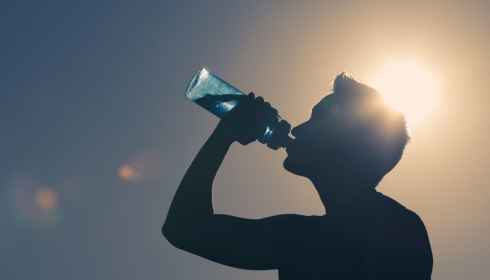
You’ve probably heard the “8 glasses of water a day” rule. It’s a neat number, but real life is more flexible. Your water needs depend on body size, weather, activity level, and health conditions.
Your body gets fluid not only from plain water but also from tea, coffee, milk, soups, fruits and vegetables. On cooler, low-activity days, you may naturally drink less; on hot days or during workouts, you’ll need more to replace sweat.
A simple guide is to pay attention to your urine colour. Pale straw or light yellow usually suggests good hydration. Very dark yellow or amber often means you need more fluids. Completely colourless, all day, every day may indicate you’re overdoing it.
Rather than forcing huge bottles, keep water nearby and sip regularly. If you wait until you’re very thirsty, you may already be mildly dehydrated. People who talk a lot, work in air-conditioned rooms, or spend time outdoors might need to be extra conscious.
Certain medical conditions (like kidney or heart problems) may require specific fluid limits, so general advice doesn’t apply to everyone. If your doctor has given you a restriction or target, that comes first.
In the end, listen to your body, use urine colour as a simple gauge, and adjust with the seasons instead of obsessing over a fixed magic number.