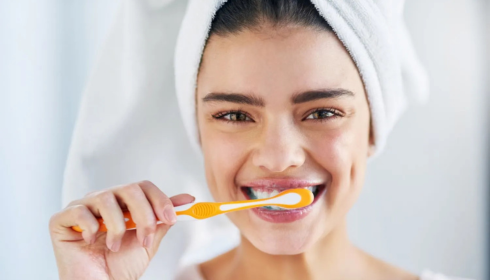
This is one of the most common morning debates: should you brush first, or eat first? Both sides have a logic, so it helps to understand what’s going on in your mouth.
At night, saliva flow drops and bacteria get busy. By the time you wake up, there’s a layer of plaque and a nice “buffet” of germs sitting on your teeth and tongue. Brushing before breakfast clears this layer and adds a protective fluoride coat before food hits your enamel.
On the other hand, some people feel fresher if they brush after breakfast to remove food taste and smell. The issue here is that many breakfast foods are acidic – orange juice, fruit, yoghurt, jam, even coffee. After acid exposure, enamel temporarily softens, and scrubbing immediately can wear it down a bit faster over the years.
A practical middle path:
- If you can, brush as soon as you wake up, then have breakfast.
- If you prefer brushing after, wait around 30 minutes so your saliva can neutralise acids, then brush gently with a soft-bristle brush.
What matters most is twice daily brushing with proper technique, flossing or using interdental brushes, and limiting frequent sugary or acidic snacks. Don’t stress too much about being “perfect”. Choose the routine you’ll stick to long-term, while avoiding harsh scrubbing on freshly acid-exposed teeth.