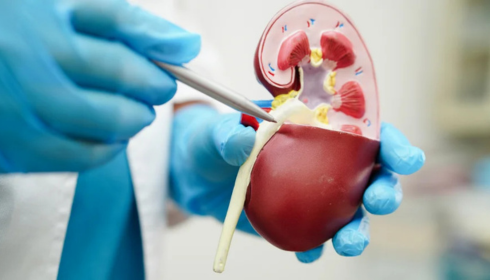
When it comes to urinary health, most people tend to delay care—until the pain becomes impossible to ignore. Whether it’s recurring discomfort, infections, or sudden sharp pain caused by stones, choosing the right medical support matters more than we often realize. India, over the past decade, has quietly built a strong reputation for advanced urological care, offering both affordability and expertise.
Understanding Urological Health
Urology is a specialized branch of medicine that deals with the urinary tract system in both men and women, along with male reproductive organs. This includes the kidneys, bladder, ureters, and urethra. Problems in this system can range from mild infections to serious conditions like kidney stones, prostate enlargement, or even cancers.
Visiting a urology hospital in India today doesn’t feel intimidating like it once did. Many modern hospitals are equipped with advanced diagnostic tools, minimally invasive surgical options, and patient-friendly environments. Doctors are often internationally trained, and treatment protocols follow global standards—something that gives patients a sense of reassurance right from the first consultation.
Why Kidney Stones Are So Common
Kidney stones are one of the most frequent urological issues in India. The reasons are surprisingly everyday—low water intake, dietary habits, high salt consumption, and even genetics. In hotter regions especially, dehydration plays a major role.
If you’ve ever experienced a kidney stone, you already know—it’s not just discomfort, it’s intense, sometimes unbearable pain. And yet, many people ignore early signs like burning urination or mild abdominal pain, thinking it will pass.
Modern Treatment Options Available
The good news is that kidney stone treatment in India has evolved significantly. Gone are the days when open surgery was the only option. Today, most procedures are minimally invasive, meaning faster recovery and less pain.
Some commonly used treatments include:
1. Medication and Lifestyle Changes
For smaller stones, doctors often recommend increased fluid intake, pain management, and medications to help the stone pass naturally.
2. ESWL (Shock Wave Therapy)
This non-invasive technique uses sound waves to break stones into smaller pieces, making them easier to pass through urine.
3. Ureteroscopy (URS)
A thin scope is inserted through the urinary tract to locate and remove or break the stone using laser technology.
4. PCNL (Percutaneous Nephrolithotomy)
For larger stones, a small incision is made in the back to remove them directly. It sounds intense, but it’s actually quite safe and effective.
What’s interesting is how quickly patients recover now. Many procedures don’t even require long hospital stays. In fact, some people go home the same day.
Choosing the Right Hospital
This is where things get a bit personal. Not every hospital will suit every patient. Some prefer large multi-specialty hospitals, while others feel more comfortable in specialized clinics.
Here are a few practical tips:
- Look for hospitals with dedicated urology departments
- Check doctor experience and patient reviews
- Ask about available treatment technologies
- Don’t hesitate to get a second opinion
Also, consider location and post-treatment care. Follow-ups are just as important as the procedure itself.
Cost and Accessibility
One of the reasons India stands out globally is affordability. Compared to Western countries, treatment costs are significantly lower—sometimes by 60–80%. Yet, the quality doesn’t feel compromised.
Even within India, there’s a wide range of pricing depending on the city, hospital type, and treatment method. But overall, access to quality care has improved—even in Tier-2 cities.
A Small But Important Thought
Health issues like kidney stones often creep up silently. By the time symptoms become obvious, the problem may already have progressed. Regular check-ups, staying hydrated, and listening to your body can make a big difference.