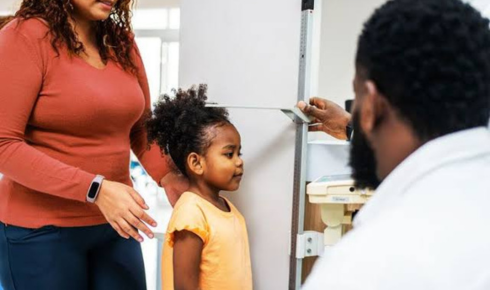
Every parent hopes to see their child grow into a healthy, confident adult. While height is largely determined by genetics, it is not the only factor that influences how tall a child will become. Hormone deficiencies, chronic medical conditions, nutritional problems, and genetic disorders can all interfere with normal growth.
For children diagnosed with certain medical conditions, human growth hormone (HGH) therapy may help restore a healthier growth pattern and improve adult height potential. But how does HGH work, who qualifies for treatment, and what should parents know before considering therapy?Height Is More Than Just Genetics
Many people believe height is determined entirely by family genetics. Although genetics account for much of a child’s adult height, hormones, nutrition, sleep, overall health, and puberty all play important roles.
A child who inherits the potential to be 5’10” may never reach that height if an untreated medical condition affects their growth during childhood.
That’s why healthcare providers look beyond family height when evaluating children who are significantly shorter than expected.What Is Human Growth Hormone?
Human growth hormone is a naturally occurring hormone released by the pituitary gland. Throughout childhood, it helps regulate growth by stimulating bone lengthening and encouraging the production of insulin-like growth factor-1 (IGF-1), which promotes growth throughout the body.
When the body produces too little growth hormone—or when another medical condition disrupts this process—growth may slow considerably.
Prescription HGH contains a synthetic version of the same hormone naturally produced by the body and is used to treat children with medically diagnosed growth disorders.When Can HGH Help a Child Grow Taller?
Growth hormone therapy is not intended for children who are simply shorter than their friends.
Instead, it is prescribed when medical testing shows that poor growth is linked to an underlying condition.
Examples include:
- Growth hormone deficiency
- Idiopathic short stature
- Turner syndrome
- SHOX deficiency
- Prader-Willi syndrome
- Children born small for gestational age who have not achieved catch-up growth
- Chronic kidney disease affecting growth
- Other approved pediatric conditions
Each child must undergo a comprehensive evaluation before treatment is considered.Recognizing the Signs of Poor Growth
Children grow at different rates, but some patterns deserve closer attention.
Parents should consider a growth evaluation if their child:
- Has stopped growing as expected
- Continues falling to lower height percentiles
- Grows significantly slower than classmates
- Shows delayed puberty
- Has a delayed bone age
- Has concerns raised by their pediatrician regarding growth velocity
Many growth disorders are easier to treat when identified early.The Importance of Early Evaluation
One of the greatest advantages of early diagnosis is time.
Growth hormone therapy works while the growth plates remain open. Once those growth plates fuse near the end of puberty, increasing height is no longer possible.
Seeking evaluation sooner rather than later gives physicians more opportunity to identify treatable conditions while meaningful growth potential remains.What Does the Evaluation Include?
Before recommending HGH, physicians typically complete a detailed assessment that may include:
- Growth chart analysis
- Medical history
- Family height history
- Physical examination
- Bone age X-ray
- Blood tests
- Hormone testing
- Additional diagnostic studies if necessary
This process helps determine whether slow growth represents a medical condition or simply a normal variation in development.What Is Treatment Like?
If HGH therapy is recommended, children usually receive a small injection beneath the skin once each day.
Treatment is carefully monitored through regular follow-up appointments that assess:
- Growth velocity
- Height progression
- Weight
- IGF-1 levels
- Bone age
- Puberty
- Overall health
Medication doses are adjusted over time as children grow and their needs change.What Results Are Possible?
Every child responds differently to growth hormone therapy.
Results depend on several factors, including:
- The child’s diagnosis
- Age when treatment begins
- Remaining growth potential
- Genetics
- Consistency with treatment
- Individual biological response
Many children experience their fastest rate of growth during the first year, with continued improvement over the following years.
The objective is to help children achieve the adult height their body was naturally capable of reaching.Is HGH the Right Choice?
Growth hormone therapy can offer meaningful benefits for appropriately selected children, but it also requires a long-term commitment from both parents and patients.
Families should understand:
- Daily injections are typically required.
- Regular monitoring is essential.
- Treatment often lasts several years.
- Costs can vary significantly.
- Benefits differ from one child to another.
Understanding these factors helps families make informed decisions together with their healthcare provider.
Parents interested in learning about the advantages and potential drawbacks of pediatric height treatment can read:
Pediatric Height Therapy: Pros and Cons – What Parents Should Know Before Considering Treatment
https://hghforchildren.com/blog/pediatric-height-therapy-pros-and-cons-what-parents-should-know-before-considering-treatmentPlanning for the Financial Commitment
Growth hormone therapy represents an investment that extends well beyond the first prescription.
Annual expenses depend on:
- Medication dosage
- Child’s weight
- Insurance coverage
- Treatment duration
- Monitoring requirements
Families considering HGH should understand both yearly expenses and the long-term financial commitment involved.
For a detailed breakdown of treatment costs, visit:
Long-Term Cost of Growth Hormone Treatments in Kids
https://hghforchildren.com/blog/long-term-cost-of-growth-hormone-treatments-in-kidsLearn More About HGH for Children
Choosing whether to pursue growth hormone therapy begins with understanding the facts.
Parents looking for a comprehensive overview of pediatric HGH treatment—including causes of poor growth, evaluation, treatment expectations, and common questions—can visit:
HGH for Children to Grow Taller
This resource provides additional information to help families better understand the pediatric growth evaluation process.Final Thoughts
Growth hormone therapy has helped thousands of children with medically diagnosed growth disorders improve their growth and reach a height closer to their natural genetic potential. While HGH is not appropriate for every child with short stature, it can be an effective treatment when supported by a thorough medical evaluation and ongoing supervision.
If your child is growing more slowly than expected or has concerns about their height development, speaking with a pediatric growth specialist is the best way to determine whether an underlying condition may be affecting growth. Early evaluation can make a meaningful difference in identifying treatment options while a child still has valuable years of growth remaining.